
Living the Dream of Invisible Cities
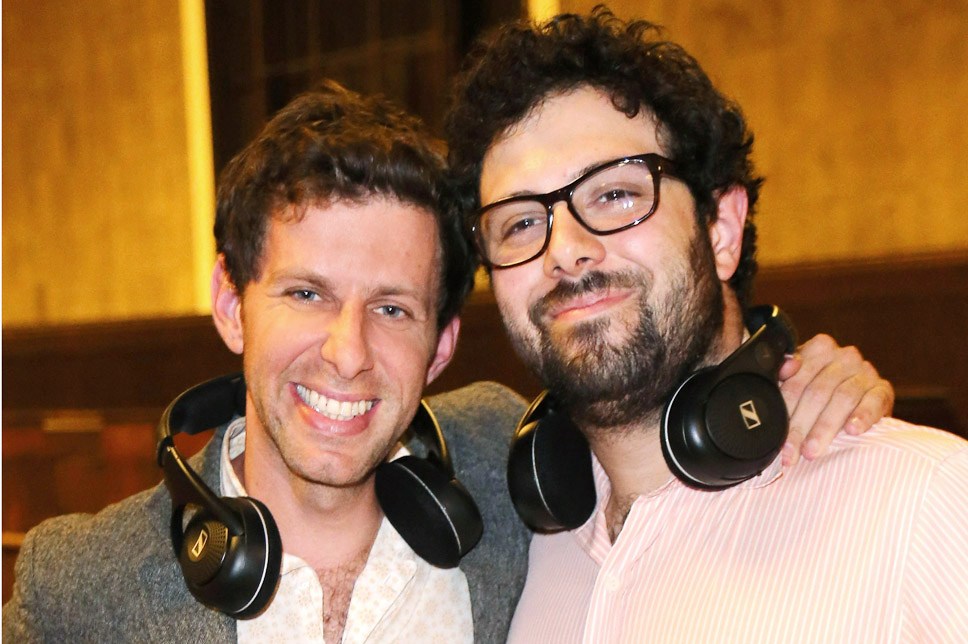
This week, Chris Cerrone, composer of INVISIBLE CITIES, writes about the creation of the opera’s studio recording. The album will be available as a digital download and limited-edition CD box set on November 4th, 2014.
Creating a recording of INVISIBLE CITIES has long been a dream of mine. Seeing the opera performed live in Yuval’s production was thrilling, but because of the nature of the production (you know, having all the singers in a train station?!) it was not possible to create a document of the score using live recordings.
Furthermore, I wanted an opportunity to create a recording of the work that went beyond mere documentation and would exist as its own art object. Naturally, when The Industry agreed to produce the project, we turned to Nick Tipp, the lead audio engineer from the Union Station production. His familiarity with the score, with the musicians who worked on the production, as well as Yuval’s conception of the staging, made him the perfect choice for the recording. And Nick’s experience producing both classical and rock projects made him familiar with the mixing style that I desired.
 Then, of course, came the question of funding. Most composers are left to their own devices to fund recordings of their work, but the Industry is no average company — or record label! They agreed to fund the recording – and we were lucky to receive generous support from The Copland Fund and New Music USA. Even Sennheiser, who so generously provided the technology for our Union Station production, provided us with microphones for recording.
Finally, it came to making the record. I think that one of the hallmarks of the INVISIBLE CITIES score is the extremely detailed orchestration. It works to support the voices, but also serves as musical depiction for Italo Calvino’s ingeniously imaginative story. When we set out to record, we hoped that the listener would be able to hear every possible detail.
 We also worked hard to reflect the character of a live performance. Stereo panning — or controlling whether sounds are heard in the left or right ear — plays a huge role in creating a feeling of space for the piece, to evoke a sense of wandering through Marco Polo’s cities. In addition, Nick and I worked with countless reverb filters to make you feel like you are immersed in different sonic locations. The recording samples everything from concert halls to mausoleums to the Gol Gumbaz in India to transport you into Calvino’s dreamworlds.
We’ve all put countless hours into the INVISIBLE CITIES studio recording and I’m so deeply thankful to The Industry, to Nick, and to the brilliant musicians who worked on the project. I can’t wait to share it with you!